


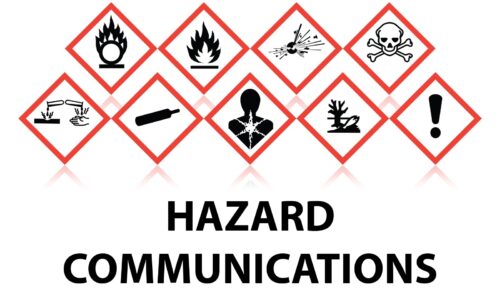
Decode the Hazards. Work Safely with Chemicals.
Chemicals are everywhere in the industrial workplace, from cleaning solvents to process catalysts. This course provides the essential knowledge to understand the hazards of chemicals you may encounter, interpret warning labels, and critically use Safety Data Sheets (SDS) to protect yourself. This training is not optional—it’s your right to know and a legal requirement for employers.
-
Course Format: Interactive classroom training with practical SDS reading workshops.
-
Total Duration: 6 Hours (1 Full Day).
-
Prerequisites: None. Mandatory for workers exposed to hazardous chemicals.
-
Certification: HAZCOM & Chemical Safety Certificate from Gulf Skill Education System.
What You Will Learn (Course Objectives)
By the end of this course, you will be able to:
-
Explain the purpose and importance of the Hazard Communication (HAZCOM) Standard.
-
Understand the Globally Harmonized System (GHS) of classification and labeling of chemicals.
-
Interpret the pictograms, signal words, and hazard statements on chemical container labels.
-
Navigate a 16-section Safety Data Sheet (SDS) to find critical information on hazards, first aid, and protective measures.
-
Select the appropriate Personal Protective Equipment (PPE) based on chemical hazards.
Detailed Course Syllabus
Session 1: Introduction to Hazard Communication (2 Hours)
-
Module 1: HAZCOM Standard Overview: Worker’s “Right-to-Know,” employer responsibilities, and employee duties.
-
Module 2: Chemical Hazards Explained: Physical hazards (flammable, corrosive) vs. health hazards (toxic, carcinogenic).
-
Module 3: The Globally Harmonized System (GHS): Standardized labels and classification to communicate hazards worldwide.
Session 2: Labels, SDS, and Practical Application (4 Hours)
-
Module 4: Understanding Chemical Labels: Product identifier, signal words (Danger/Warning), hazard pictograms, precautionary statements.
-
Workshop: Practice identifying hazards from sample labels.
-
-
Module 5: Mastering the Safety Data Sheet (SDS): A deep dive into the 16 sections. Focus on:
-
Section 2: Hazard Identification
-
Section 4: First-Aid Measures
-
Section 7: Handling & Storage
-
Section 8: Exposure Controls/PPE
-
-
Module 6: Practical SDS Workshop: Participants are given real SDS for common industrial chemicals (e.g., hydrochloric acid, solvents) and work in groups to answer safety questions.
-
Module 7: Chemical Safety in the Workplace: Safe handling, storage, and spill response basics.
-
Final Assessment: A practical assessment where participants must extract key safety information from a provided SDS and label.



Leave a Reply